Bed Preparation: Moisture Balance

by lswezey on May 7, 2009

As previously discussed, a healthy wound bed lays the foundation for wound care product effectiveness. The first two steps in wound bed preparation are the restoration of the bacterial balance, and the elimination of nonviable tissue.

Moisture balance The third step is providing a moist environment and maintaining moisture balance. (The fourth and fifth steps are the correction of cellular dysfunction, and the restoration of biochemical balance, respectively, which we will discuss in the next two posts.)


How does a moist wound bed facilitate healing?

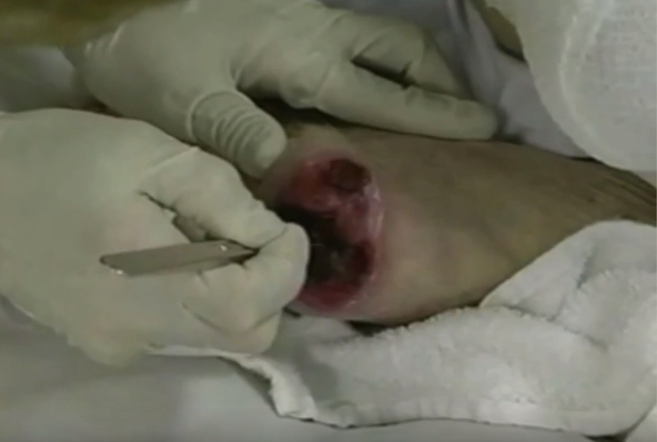
A moist wound bed facilitates healing in many ways.  Studies show that a moist wound heals three to five times faster than a dry wound. There are many reasons for this: First, by preventing scab or crust formation over the wound bed, a moist wound environment eliminates the energy and time that would have been required for the body to breakdown these materials.  Keratinocyte travel time and distance across the wound surface are greatly reduced, as the cells are able to literally swim across the moist wound bed rather than burrow down beneath the dry tissue. A moist environment also traps enzymes within the wound bed, facilitating autolytic debridement. And lastly, a moist wound environment preserves growth factors within the wound fluid, and increases fibroblast proliferation and collagen synthesis.

Why is it important to maintain moisture balance?

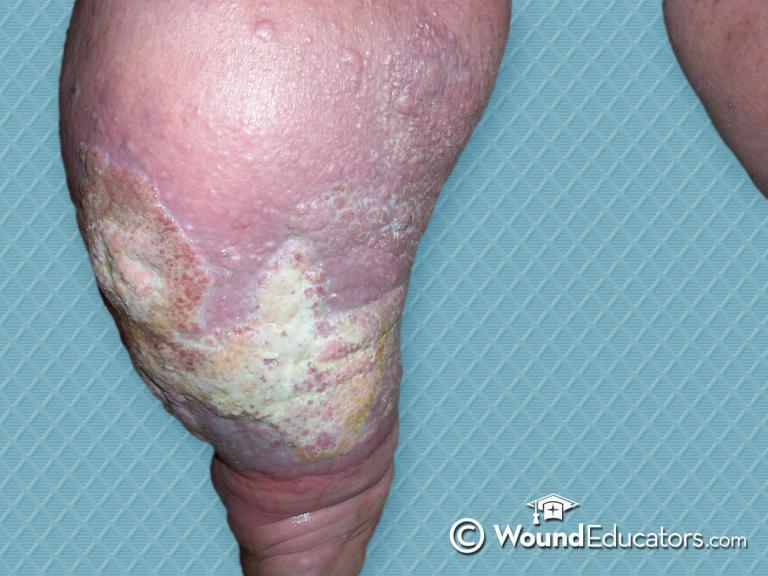
It is important to maintain the proper moisture balance within a wound because, while a moist wound bed facilitates healing, a wound that is too wet can actually delay healing. For example, if a wound is too wet, the wound fluid will not only pool on the wound surface, but also flow onto the intact periwound causing maceration.  Excessive moisture may stop the healing process, slowing down or even blocking the proliferation of key cells in the wound healing process such as keratinocytes, fibroblasts and endothelial cells. If left unchecked, exudate can damage the surrounding healthy skin, as well as play host to bacteria.

How can wound moisture be managed?

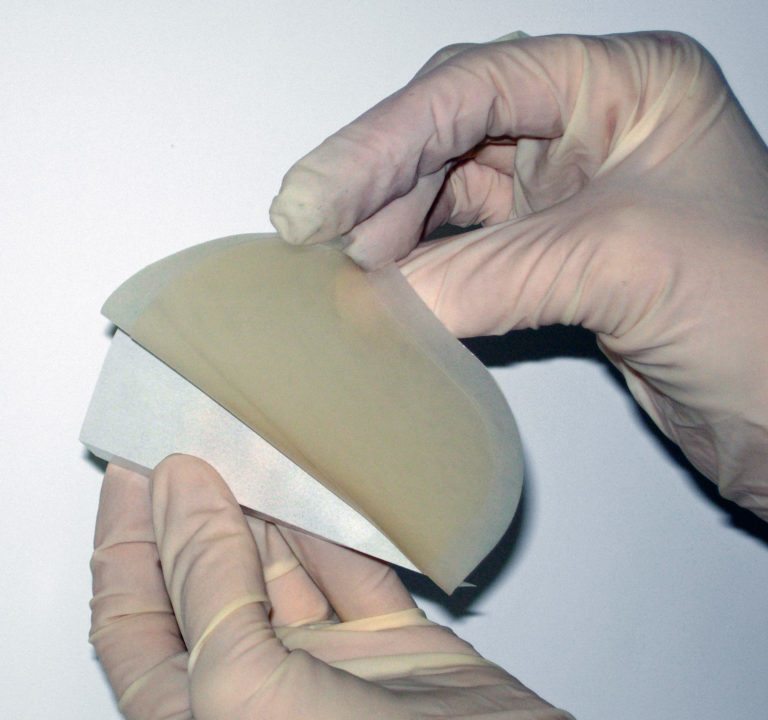
Wound moisture can be managed directly with the use of absorbent dressings (the wound and surrounding skin should be kept moist but not saturated, and the use of absorptive dressings that have the ability to wick up and lock in moisture to prevent periwound maceration are best), compression and/or elevation, and Topical Negative Pressure (via devises such as the VAC - Vacuum Assisted Closure).

Indirectly, exudate can be managed via the control of infection or bacterial load, control of edema by systemic therapy, and use of immunosuppression or steroids to control inflammatory exudate from wounds (such as pyoderma gangrenousum, vasculitic or rheumatoid ulcers).

Why is dressing selection so important?

A moist wound environment enhances wound healing, so the dressing you select must assist with obtaining and maintaining this type of environment. This process begins with understanding the major dressing categories and indications and contraindications for each. 

To learn more about evidence based wound management and dressing selection register for our exiting and interactive wound management training program at www.woundeducators.com .

Sources
Elizabeth A. Ayello, PhD, RN, ACNS-BC, ETN, FAPWCA, FAAN (2009). The TIME Principles of Wound Bed Preparation. Retrieved April 15 from www.woundcarejournal.com.

Mark Chariker, MD (2009). Moisture Balance: Exploring Options in Negative Pressure Wound Therapy. Retrieved April 16 from www.woundcarejournal.com.

Chuck Gokoo, MD, CMO CWS, FACCWSa (2009). A Primer on Wound Bed Preparation. Journal of the American College of Certified Wound Specialists. 1, 35–39.

Betsy Meyers (2007). Wound Management; Principles and Practice. Upper Saddle River, Prentice Hall, PA.

Kathryn Vowden RGN, DPSN(TV) & Peter Vowden MD, FRCS (2002). Wound Bed Preparation. Retrieved April 14 from www.worldwidewounds.com.

{ 1 comment… read it below or add one }

1 Susan Wulf RN 05.11.09 at 11:54 am

This is one of the best info and educational sites I have ever seen-Thank you for concise, easy to read and understand one page articles that can be forwarded to other RN’s and staff members to improve wound knowledge and practice. I am a Home Health Care RN who deals with wounds daily and this info is invaluable.

Leave a Comment

You can use these HTML tags and attributes: <a href="" title=""> <abbr title=""> <acronym title=""> <b> <blockquote cite=""> <cite> <code> <del datetime=""> <em> <i> <q cite=""> <strike> <strong>