Search Results for: wound infection

Types of Wound Closure

Types of Wound Closure

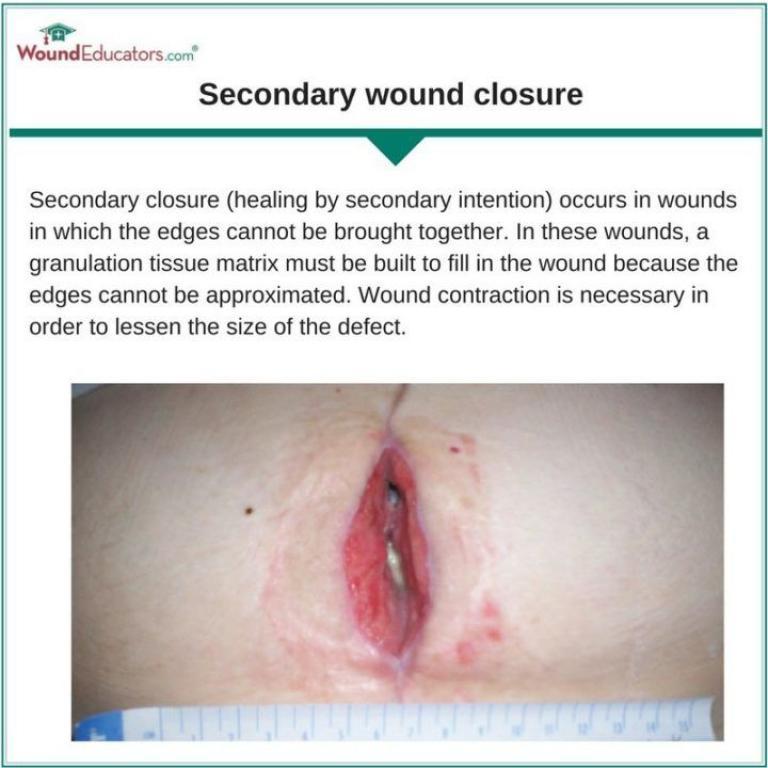
There are three types of wound closure: primary, secondary and delayed primary closure. Let’s look at each of them in a little more detail. Primary wound closure Primary closure (sometimes referred to as healing by primary intention) is the fastest type of wound closure. A good example of primary closure is a paper cut. You…

Phases of Wound Healing- Part 1

Phases of Wound Healing- Part 1

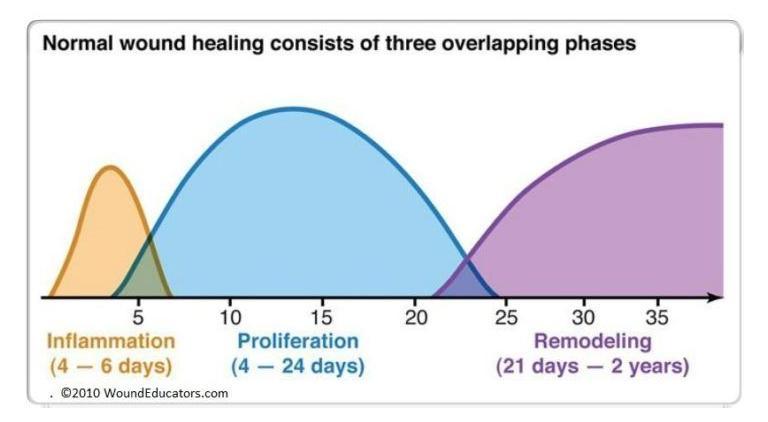
Wound healing proceeds in a relatively organized fashion, following three processes that overlap- inflammation, proliferation and maturation/remodeling (some sources will describe this process as four phases breaking the inflammation process into hemostasis and inflammation). How much do you remember about the phases of wound healing?  First, let’s take a look at the inflammatory phase, which…

MRSA Infected Wounds: A Study Involving Oakin® Antimicrobial Dressings

MRSA Infected Wounds: A Study Involving Oakin® Antimicrobial Dressings

Wound care practitioners are no doubt aware that the incidence of MRSA infected wounds in the community is increasing, resulting in new challenges in wound management. A study that appeared in the Journal of Wound Care (February, 2014) describes a new approach to the treatment of wounds infected with MRSA using a dressing derived from…

Understanding Negative Pressure Wound Therapy

Understanding Negative Pressure Wound Therapy

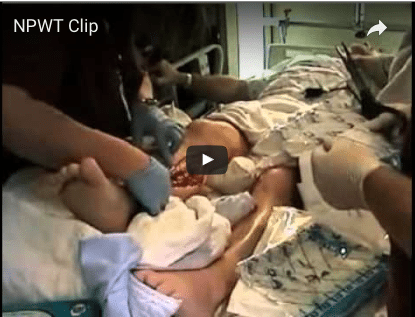
Negative pressure wound therapy (NPWT) is becoming more and more common in clinical practice as the body of evidence supporting its use grows. The KCI wound vac is perhaps the best known of the NPWT devices currently available for commercial use. What exactly does NPWT do, how does it work and who can benefit most…

Selecting the Right Wound Dressings and Bandages

Selecting the Right Wound Dressings and Bandages

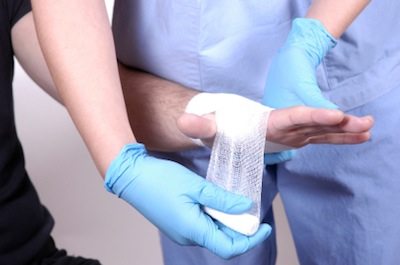
I think anyone who deals with patients with wounds will agree that selecting the right wound dressings and bandages is crucial to wound healing. It may also be the most challenging part of wound management! With so many choices in wound dressings and bandages, it’s easy to become confused. To simplify matters, there are a…

Home Wound Care That Is As Good As Any Hospital

Home Wound Care That Is As Good As Any Hospital

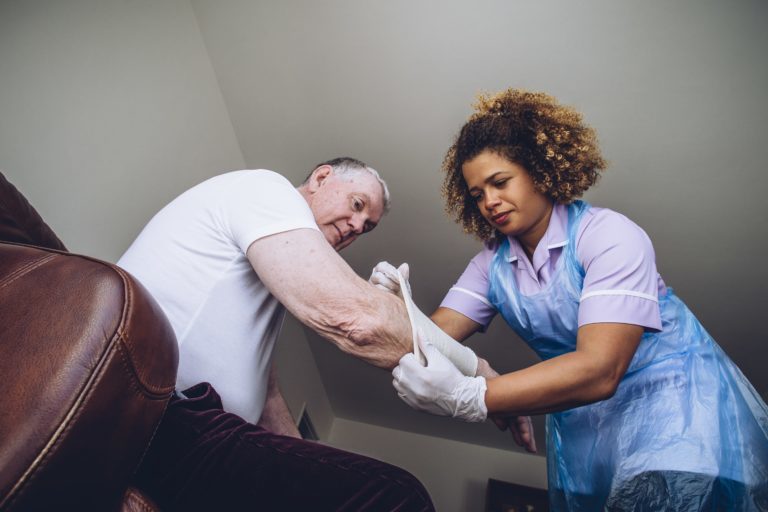
These days, many patients are discharged prematurely from the hospital. Home care nurses and community health workers may be overwhelmed caring for patients with complicated wounds for home wound care. Patients who have less complicated wounds are often discharged home to care for their own wounds with little instruction as to how they can facilitate wound…

Why Diabetic Wound Care Clinicians Need Specialized Training

Why Diabetic Wound Care Clinicians Need Specialized Training

Diabetic wounds are different from any other wounds. Diabetic wound care requires specialized training due to the propensity for diabetic wounds to heal slowly and take a turn for the worse very quickly. Clinicians working in diabetic wound care must have the necessary knowledge to recognize complications and intervene appropriately. The consequences of poorly managed…

Top 5 Wound Management Guidelines That Matter to You and Your Patient

Top 5 Wound Management Guidelines That Matter to You and Your Patient

Wound care is a collaborative effort between you and your patient. There are numerous wound management guidelines that favor both the clinician and the patient. Top 5 Wound Management Guidelines Wound Cleansing At one time, wounds were cleansed or irrigated with solutions that later proved to be toxic to healthy cells. Most experts now recommend…