Search Results for: venous

Wound Care Education: How Do Wounds Affect YOUR Skin?

Wound Care Education: How Do Wounds Affect YOUR Skin?

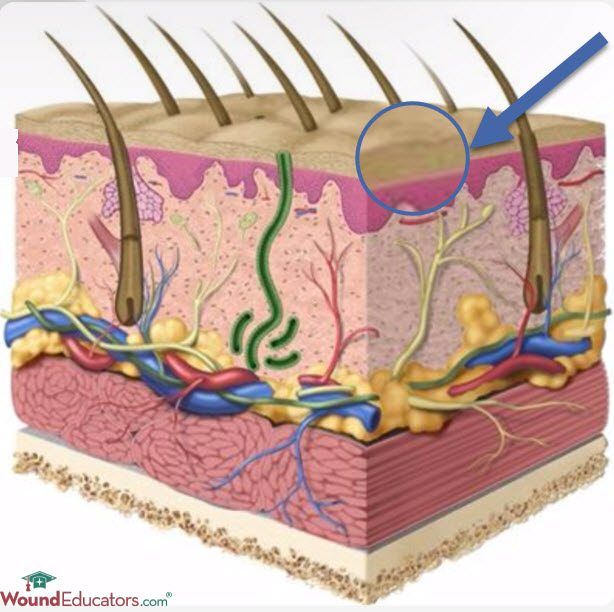
The process of wound healing is a complex bodily function. This natural process involves inflammatory vascular and connective tissue working in tandem with epithelial cells over a period of time. As such, wound care education requires a basic understanding of how wounds actually affect the connective tissue that is human skin. Our skin consists of…

Less Common Approaches Used To Treat Wound Infection

Less Common Approaches Used To Treat Wound Infection

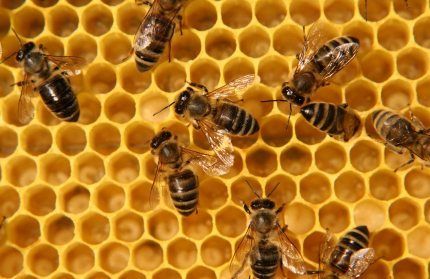
The typical treatment for infected wounds continues to include antimicrobial therapy, however other therapies are gaining in popularity due to the rise in antibiotic resistance. Maggots Maggot Debridement Therapy is the medical use of live maggots (fly larvae) for treating non-healing wounds. Maggot therapy has also been around for a long time, going all the…

Wound Modalities Utilized in Wound Care: Promising Modalities Used Less Commonly

Wound Modalities Utilized in Wound Care: Promising Modalities Used Less Commonly

In this series, we have been focusing on wound care modalities that are commonly used in wound care management. Now we turn our focus to lesser known and less common wound care tactics. Monochromatic Infrared Energy (MIRE) Monochromatic Infrared Energy (MIRE) involves the delivery of near-infrared energy to the skin using diode pads. This therapy…

Modalities Utilized in Wound Healing: Pulsed Lavage

Modalities Utilized in Wound Healing: Pulsed Lavage

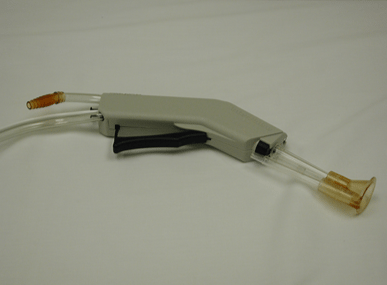
In the last segment, we discussed whirlpool treatments; however, in some cases whirlpool is not convenient or available. When whirlpool is not an option, pulsed lavage with or without suction may be used. Functions Pulsed lavage uses a wound irrigant under pressure, which is powered by an electronic device, to irrigate and cleanse the wound….

The Continuum of Wound Dressings- Hydrocolloids

The Continuum of Wound Dressings- Hydrocolloids

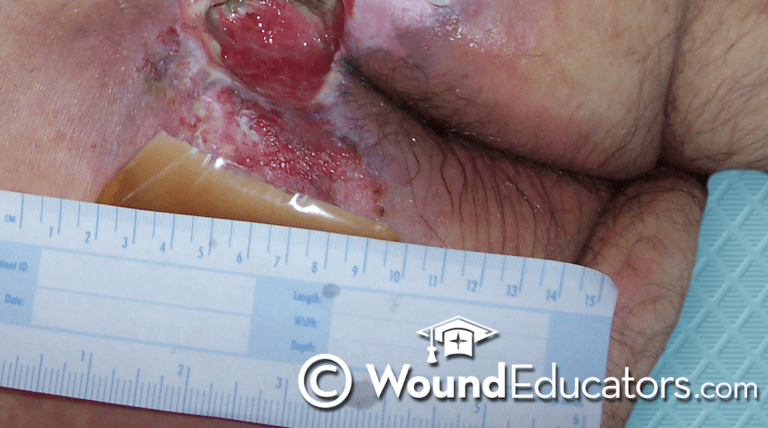
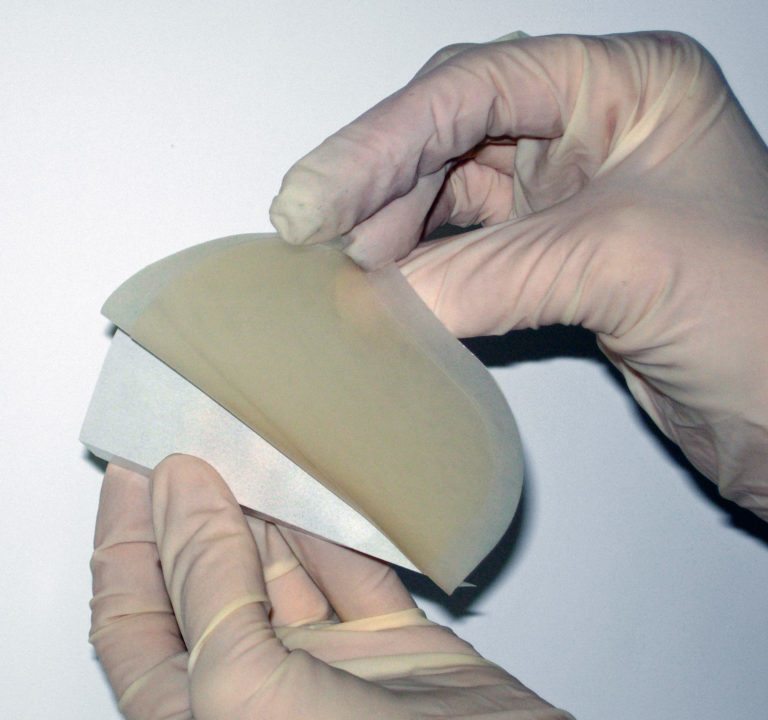
In this series, we’ve been discussing the many different types of wound dressings, in terms of indications and precautions. Let’s continue with a discussion of hydrocolloid wound dressings Hydrocolloids Hydrocolloid wound dressings contain hydrophilic (absorbing or distilling in water) colloidal particles, such as pectin, carboxymethylcellulose or gelatin.  These dressings absorb fluid slowly and turn into…

The Continuum of Wound Care Dressings- Alginates and Composite Dressings

The Continuum of Wound Care Dressings- Alginates and Composite Dressings

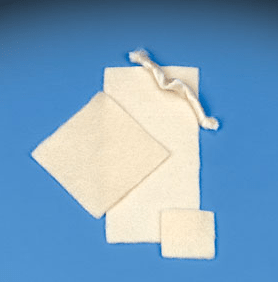
Continuing our review of dressings and their unique characteristics, let’s look at two other dressing types: alginates and composite dressings. Alginates Alginates are made from specific types of brown seaweed which contain alginic acid salts converted into sodium/calcium salts. They may be woven or nonwoven and look similar to cotton. These dressings, when placed in…

The Continuum of Wound Dressings – Hydrogels and Foams

The Continuum of Wound Dressings – Hydrogels and Foams

Continuing on in our discussion of wound dressings, let’s turn our attention to hydrogels and semipermeable foams. Hydrogels for Wound Care Hydrogels are water- or glycerin-based wound dressings that come in sheets, gels or impregnated gauzes. Hydrogels swell and are able to absorb small amounts of fluids. They are also able to add moisture to…

The Continuum of Wound Dressings- Semipermeable Film Dressings

As you know, there are more than 3000 wound care products available on the market, which can make it very confusing for practitioners to choose the correct wound care product for their clients’ wounds. Let’s continue our discussion on the continuum of wound dressings. Semipermeable Film Dressings These dressings are thin and flexible and are…