Search Results for: venous

Wound Assessment: Assessing the Periwound and Surrounding Skin

Wound Assessment: Assessing the Periwound and Surrounding Skin

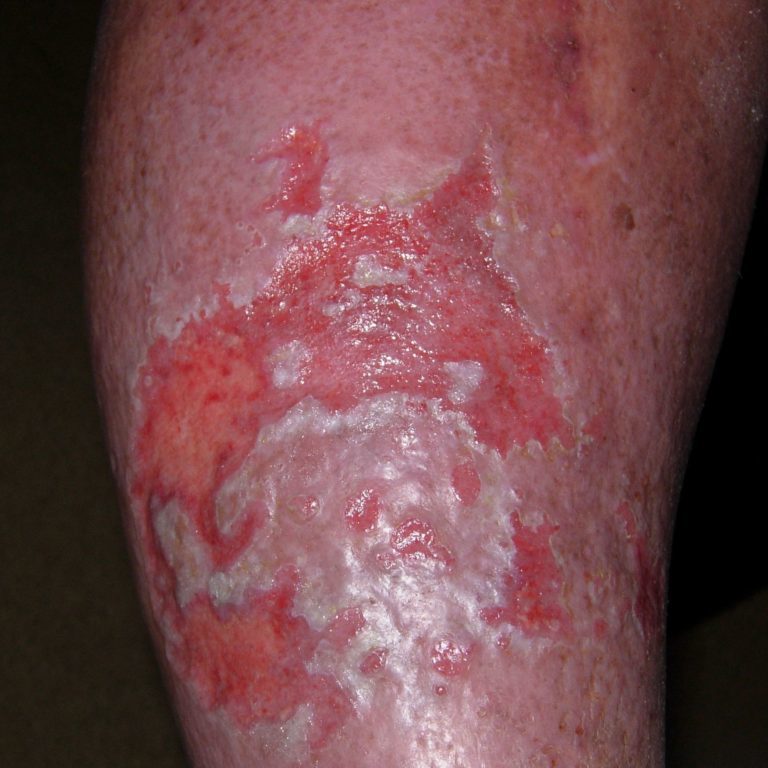
In addition to noting the characteristics of the wound itself, clinicians should also examine the periwound and the surrounding skin, comparing this tissue to the skin outside the affected area, as well as comparing the opposite (contralateral) side where possible. Structure and Quality When assessing the periwound and surrounding skin, the following should be noted:…
Wound Assessment- Wound Location and Size

Wound Assessment- Wound Location and Size

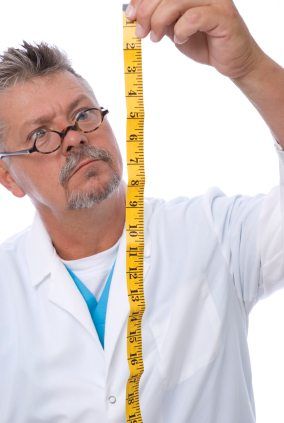
Prior to assessing a wound, it may be necessary to irrigate and/or debride the wound so that the actual size of the wound can be determined, as well as the wound characteristics. Ideally, the same person should assess the wound each time, with the patient positioned in the same manner, to maximize the reliability of…

Wound Assessment- Diagnostic Tests

Wound Assessment- Diagnostic Tests

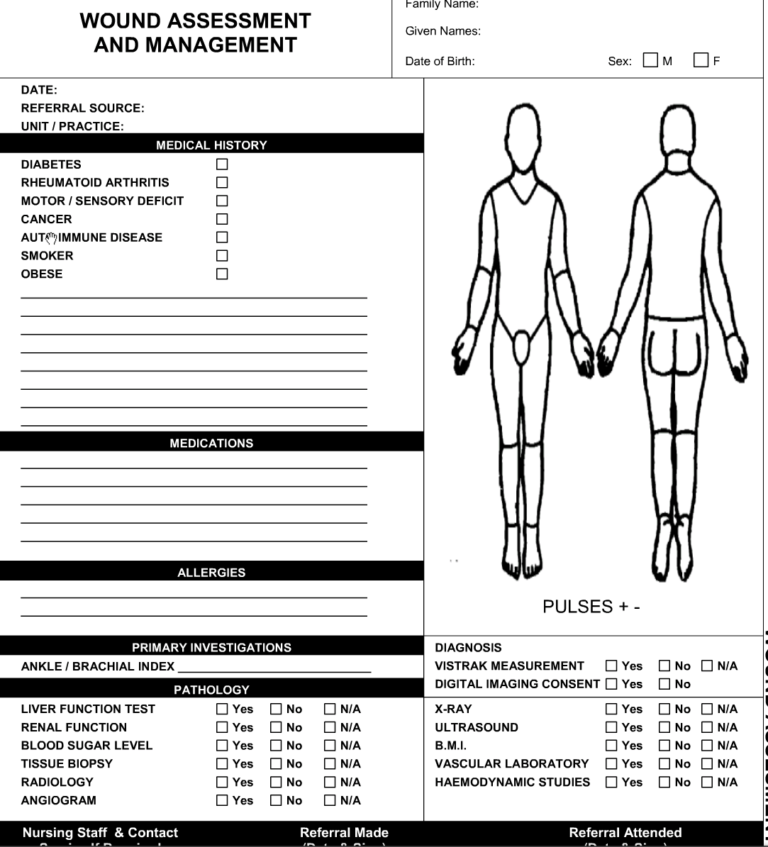
Diagnostic tests can be an important part of wound assessment, providing valuable information about the patient’s health status as well as the patient’s potential for healing. Although you as a practitioner may not order all of these tests, tests are often available as part of the patient file or may be requested from the patient’s…

Wound Assessment- Past and Current Wound History

Wound Assessment- Past and Current Wound History

Obviously, when you are assessing a patient for the first time it is important to ask about their current wound and the circumstances behind it. Equally important is to ask about their history of previous wounds in terms of what treatments were used, how long it took to heal the wound and whether there were…

MRSA Infected Wounds: A Study Involving Oakin® Antimicrobial Dressings

MRSA Infected Wounds: A Study Involving Oakin® Antimicrobial Dressings

Wound care practitioners are no doubt aware that the incidence of MRSA infected wounds in the community is increasing, resulting in new challenges in wound management. A study that appeared in the Journal of Wound Care (February, 2014) describes a new approach to the treatment of wounds infected with MRSA using a dressing derived from…

The Support (or Lack Thereof) for Serial Debridement

The Support (or Lack Thereof) for Serial Debridement

Although many of us intuitively know that serial debridement works (we’ve seen the results), as healthcare professionals we must base our practice on evidence-based knowledge. I went searching for the evidence to support this practice and was surprised that I could not find reams of studies supporting serial debridement. If we know it works and…

Moving Beyond Basic Wound Care to Advanced Knowledge

Do you remember what you were taught about wound care in nursing school? Many of you may vaguely recall a lecture about the skin as an organ system, the layers of the skin and the function in regulating temperature and protecting us from infection. As far as wound care itself, I remember learning about clean…

Lower Extremity Ulcers

Ulceration of the lower limb affects 1% of the adult population and 3.6% of people older than 65 years. Leg ulcers are debilitating and painful and greatly reduce patients’ quality of life. Ulcer healing has been shown to restore quality of life. Use the resources below to learn more about lower extremity wounds. Please note;…