Search Results for: wound infection

Dragon Blood Being Tested as an Alternative to Conventional Antibiotics

Dragon Blood Being Tested as an Alternative to Conventional Antibiotics

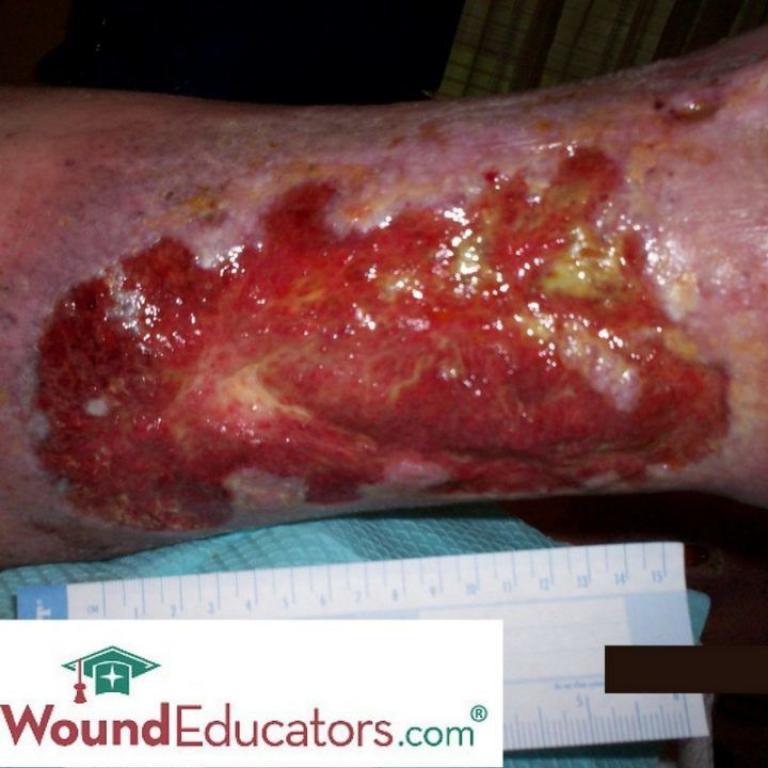
Scientists from the George Mason University in Virginia have developed a new peptide that can heal infected wounds in laboratory mice. The scientists are hopeful that the new compound will eventually be used as an antibiotic to treat wounds caused by antibiotic resistant organisms (AROs) in humans. The inspiration for the new drug comes from…

Pyoderma Gangrenosum

Pyoderma Gangrenosum

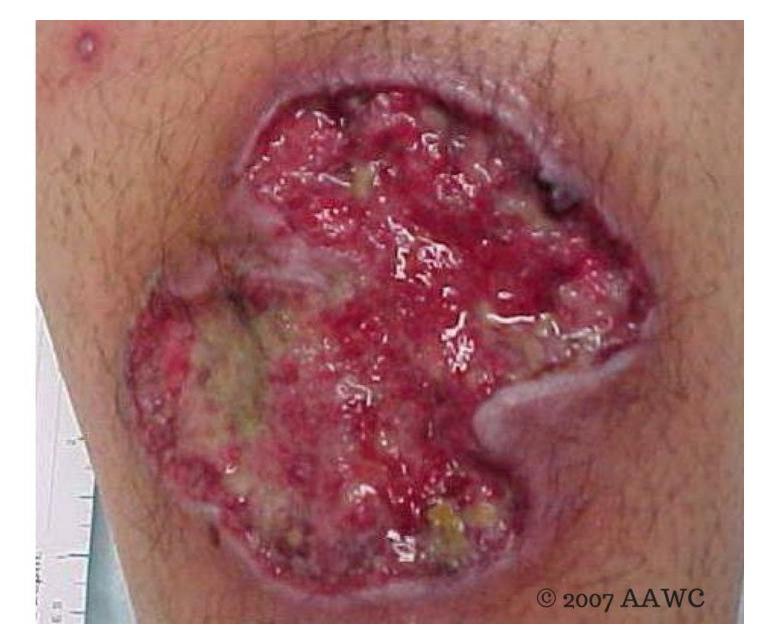
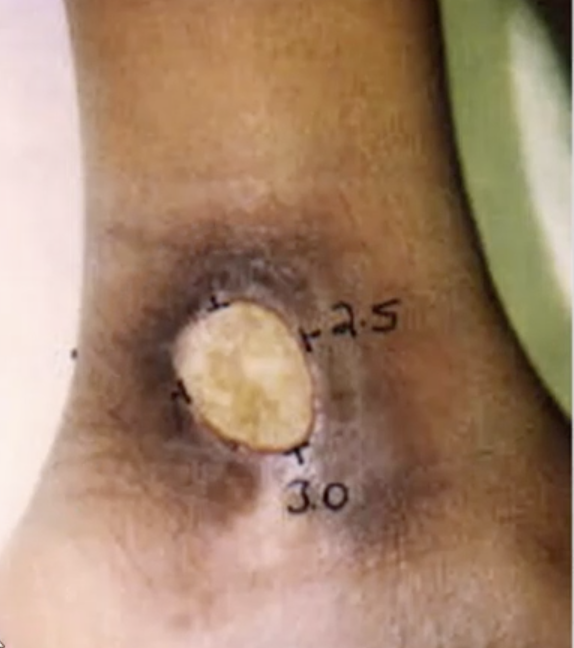
Overview of Pyoderma Gangrenosum Pyoderma  is a noninfectious, progressive necrotizing skin condition. The etiology of pyoderma is unclear. Half of patients have a systemic inflammatory condition such as ulcerative colitis, Crohn’s disease, irritable- bowel syndrome, lupus, or rheumatoid arthritis.  About a quarter of pyoderma cases begin after some sort of trauma or surgery. But another quarter…

Diabetic Foot Ulcer Classification Systems
|

Diabetic Foot Ulcer Classification Systems

It is crucial to apply a standardized measurement system to evaluate whether a diabetic foot ulcer is responding to care, as a result several classification systems have been proposed. At the present time no specific system has been universally accepted.  Even so, most clinicians use one of the available systems when assessing and documenting a diabetic ulcer. In this article we…

Debridement Methods

Debridement Methods

The four main types of debridement are: autolytic, enzymatic, mechanical and surgical. Each has its own advantages and disadvantages. Let’s take a look at each method individually: Autolytic debridement This form of debridement uses the body’s own processes (enzymes and moisture) to break down tough eschar and slough. It does not damage healthy skin, but breaks…

Prevention of Pressure Ulcers due to Incontinence

Prevention of Pressure Ulcers due to Incontinence

Prevention of Pressure Ulcers due to Incontinence Must Be a Priority Incontinence is a common risk factor for pressure ulcers. If you have worked in aged care or with elderly patients, you will know this to be true. Wet, moist skin can lead to rapid skin breakdown and the development of a pressure ulcer. There…

Epidemiology and Etiology of Diabetic Foot Ulcers

Epidemiology and Etiology of Diabetic Foot Ulcers

Diabetic foot problems, including ulcerations, infections, and gangrene, are the most common grounds for hospitalization among diabetic patients. In particular, foot ulceration affects between 15 and 25 percent of patients with diabetes mellitus during their lifetime. 1Diabetic foot ulcers are notoriously difficult to heal, and may take weeks or months to close, even if treated promptly…